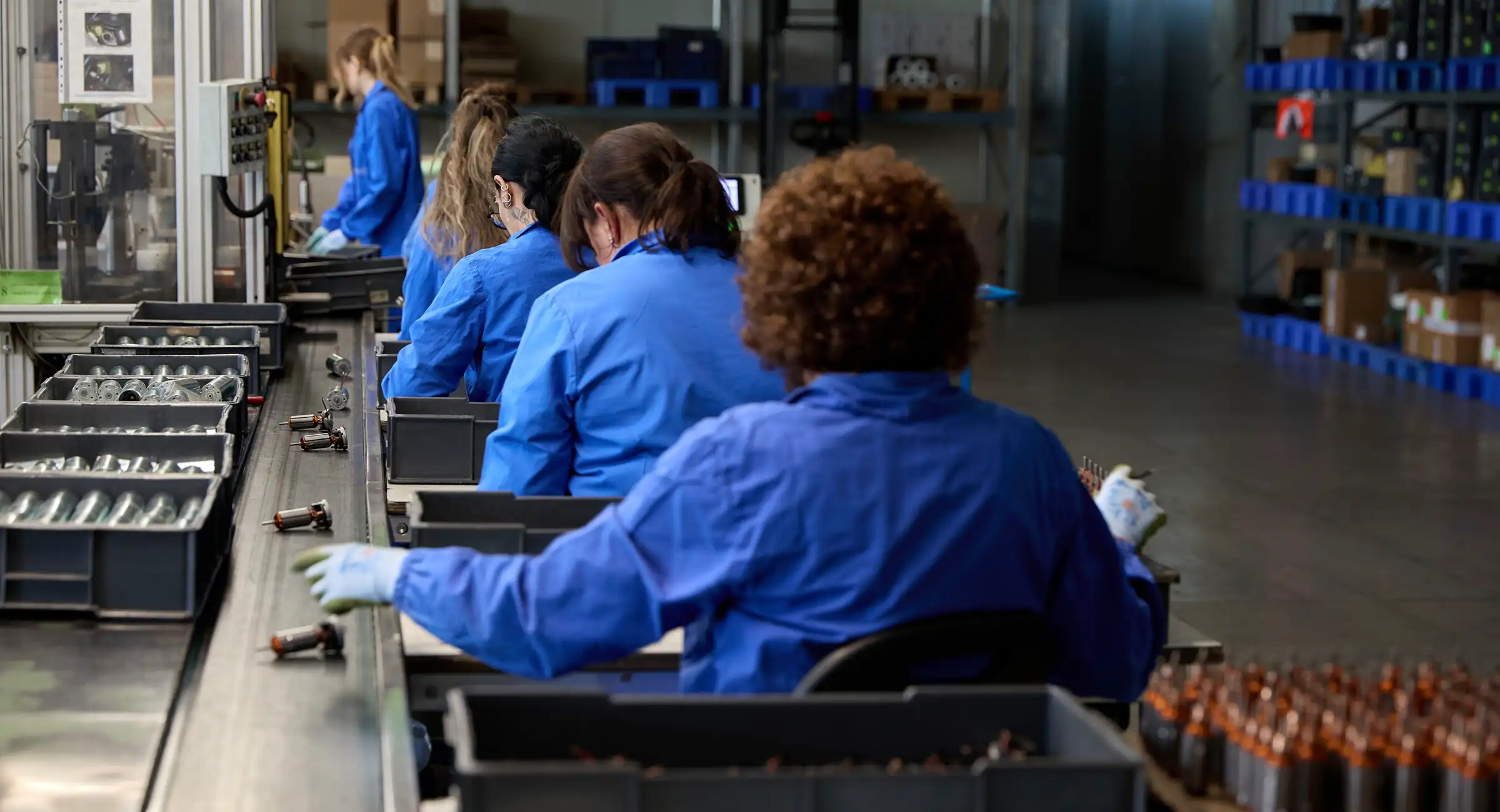
Electric motors are the silent engines of many industrial processes and represent a constantly evolving technology. Today, more than ever, energy efficiency and environmental sustainability are strategic priorities for companies seeking to reduce operating costs and ecological impact. In this scenario, the choice of the most suitable electric motor is not limited to technical characteristics alone; it also plays a key role in optimising the entire production cycle, helping to make processes smarter, more efficient and more competitive.
MBT Elettromotori is committed to integrating respect for the environment, the reduction of energy consumption and the minimisation of environmental impact among the priorities of its development strategies, adopting concrete measures to optimise the consumption of energy, water and raw materials, reduce the production of waste, limit the use of non-renewable energy sources and spread a culture of sustainability and safety through education, information and training of personnel.
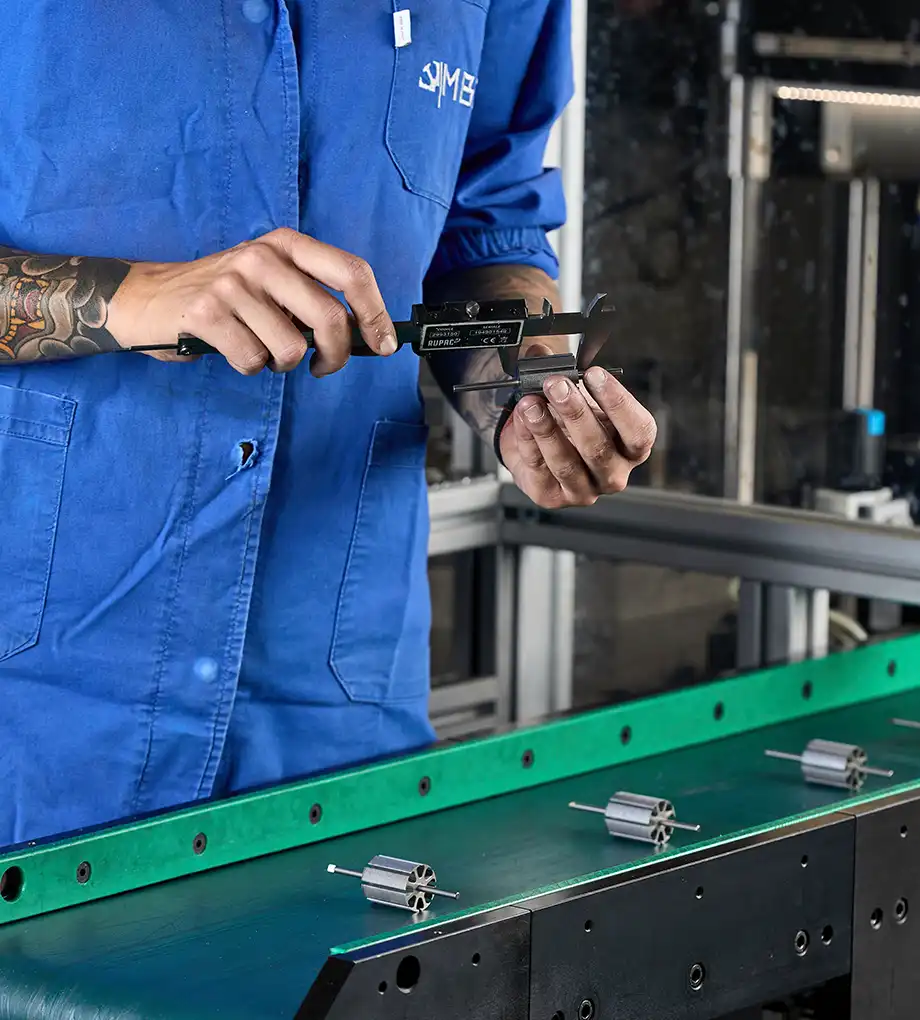
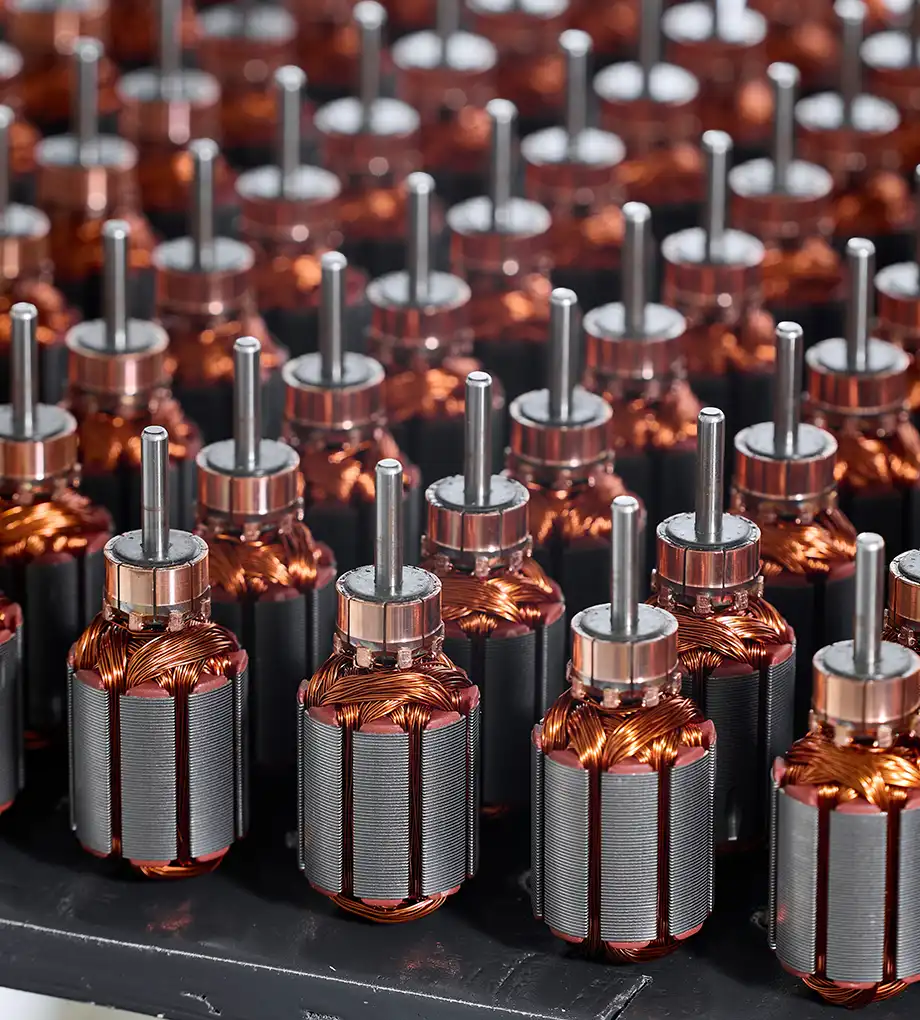
MBT Elettromotori believes that energy efficiency is not only a technical choice, but a real industrial strategy. For this reason, every phase of the design and production of its DC electric motors, brushless motors and DC gearmotors is aimed at maximising efficiency and reducing consumption. From optimising magnetic and mechanical components to selecting the most efficient gear ratios in gearmotors, MBT works to ensure high performance, reliability, and energy savings. The use of advanced control electronics and state-of-the-art materials allows MBT’s electric motors to operate with maximum precision and minimum energy expenditure.
For MBT Elettromotori, environmental sustainability is a value that guides every production choice, through the adoption of design and technological solutions that reduce environmental impact. Brushless electric motors, for example, require less maintenance and generate less waste than traditional models. The entire production process is conceived from a green perspective, with low energy consumption techniques and constant attention to reducing waste.